


Your cart is currently empty.
Not sure where to start?
Try these collections:
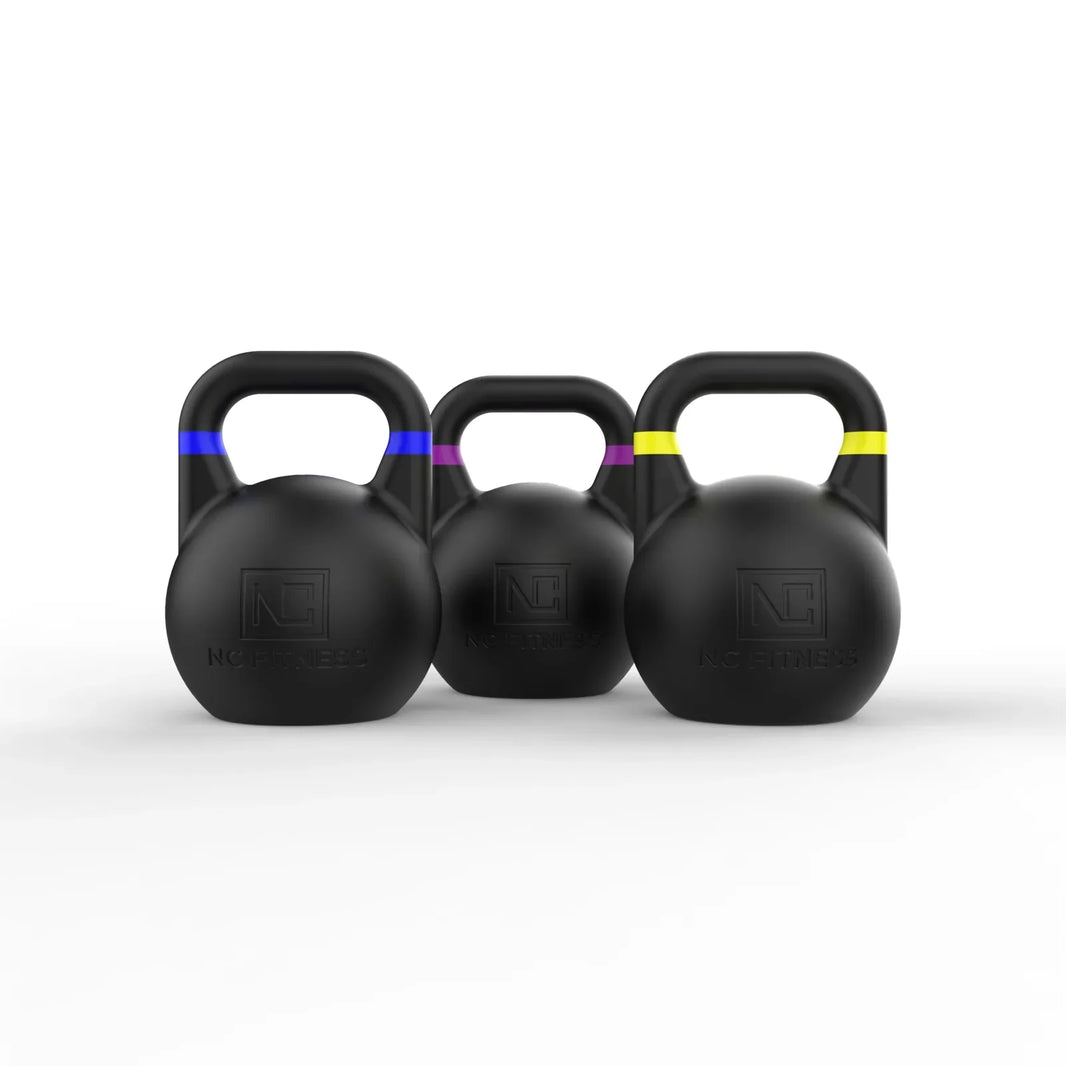
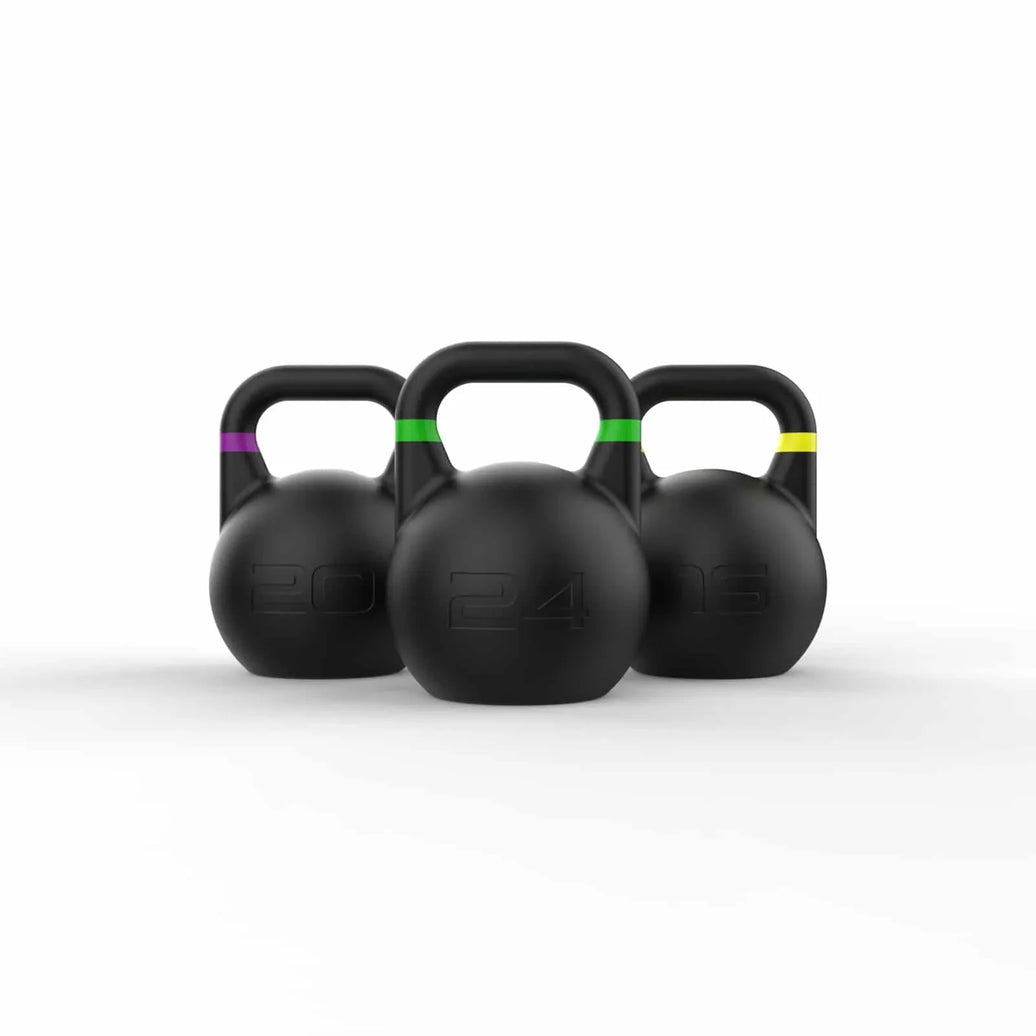
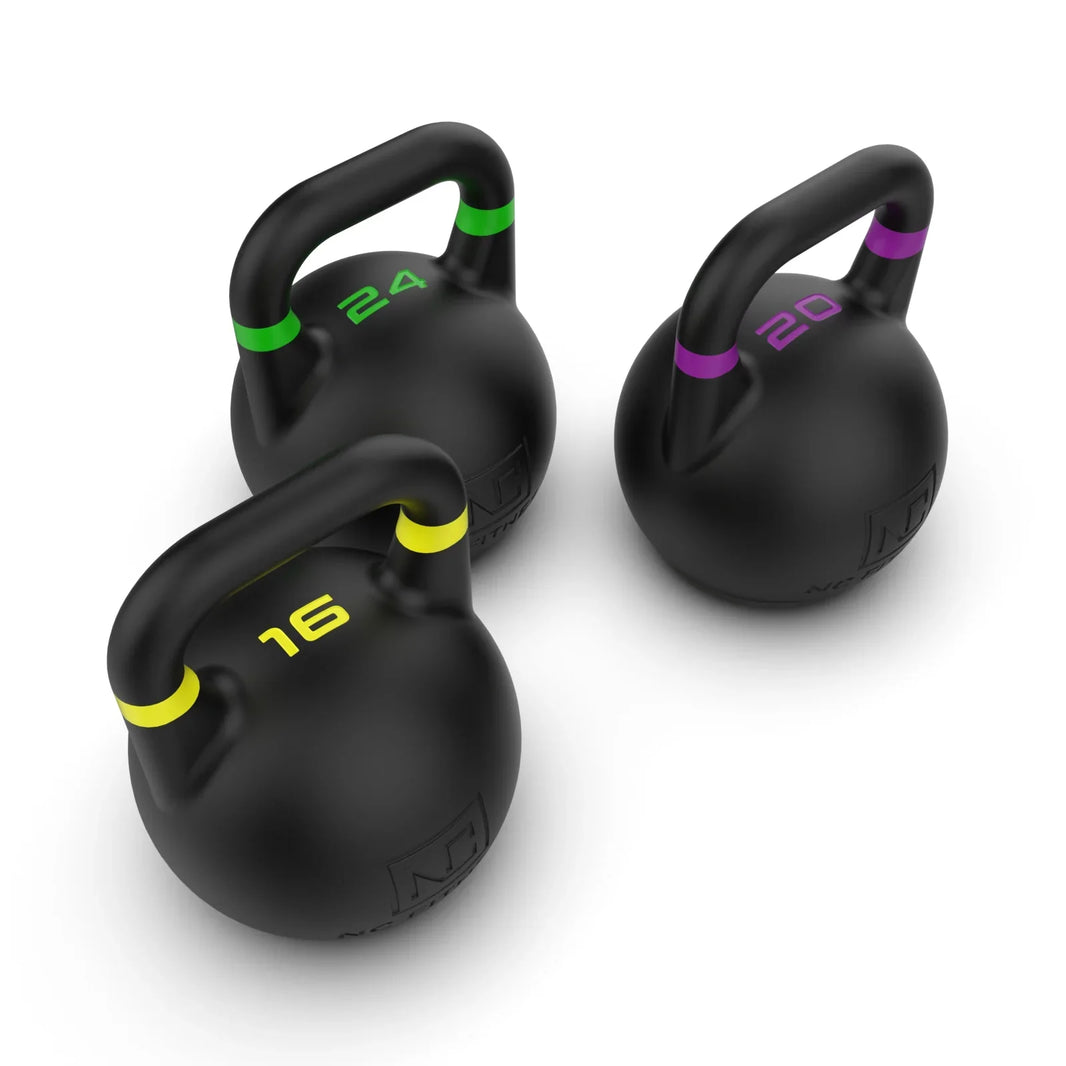

Designing and fitting out a commercial gym, functional fitness box, or high-performance athletic facility is a major capital investment. Beyond selecting heavy-duty equipment, a successful commercial fitout requires meticulous planning around space allocation, traffic flow, acoustic control, safety compliance, and long-term gear durability.
At NC Fitness Gear, we work directly with gym owners, head coaches, and commercial developers across Australia to transform raw commercial spaces into high-yield, world-class training facilities.
This guide breaks down the essential phases of planning, zoning, and equipping a commercial gym built for high turnover, maximum durability, and seamless athlete experience.
Choosing the right commercial gym equipment
Selecting the right equipment for your commercial gym is crucial for member satisfaction and operational success. Here's our expert guide to help you make informed decisions.
Essential for cardiovascular health and endurance training. Choose equipment that offers variety, durability, and advanced tracking features to keep members engaged.
Build a comprehensive strength training area with equipment that supports progressive overload and accommodates all fitness levels from beginners to advanced athletes.
Functional training equipment enables dynamic, multi-planar movements that improve real-world strength, mobility, and athletic performance.
Complete your gym setup with quality accessories that enhance workouts, protect equipment, and improve member experience.
A common mistake in commercial gym design is overcrowding the floor space. High-turnover facilities need clear buffer zones between stations to prevent accidents and maintain an organized environment.
Protect your slab and isolate heavy acoustics
High-volume commercial zones require high-density flooring that handles continuous heavy barbell drops without shifting:
Free-Weight & Rack Bays: Install 15mm to 20mm NC Fitness Commercial Rubber Tiles glued down with polyurethane adhesive to prevent tile seam drift.
Dedicated Lifting Platforms: Use heavy steel-framed platforms with 30mm dense drop pads for powerlifting and Olympic weightlifting zones to damp sound transmission.
Sled & Sprint Tracks: Lay 10mm to 12mm short-pile polyurethane gym turf with shock-absorbing foam underlay for Prowler sled work and sprint conditioning.
Maximise athlete capacity per square meter
The central strength zone dictates how many athletes can train simultaneously during peak hours:
Commercial Power Cages & Racks: Select 75mm x 75mm heavy-gauge steel uprights with 25mm hole spacing, integrated band pegs, and J-cups engineered for 500kg+ loads.
Dual-Stack Cable Columns: Dual 100kg weight stacks allow multi-angle isolation work while taking up a compact footprint along perimeter walls.
High durability for rapid group rotation
Free weights take the highest frequency of user abuse. Avoid lower-grade economy gear that loosens over time:
Commercial CPU Urethane Dumbbells: CPU/PU welded heads bonded to solid steel handles withstand drop damage and won't split or loosen.
3-Tier Angled Dumbbell Racks: Features heavy-duty lip rails or contoured saddles that keep weight runs organised while preventing finger-pinching during loading.
Self-powered, low-maintenance conditioning
Commercial cardio should be bulletproof with low electrical overhead:
Air Rowers, Curved Treadmills, & Air Bikes: Self-powered units eliminate trailing power cables, allow flexible floor placement, and provide instant response for group HIIT classes.
Floor clutter is a major safety hazard and reduces the professional feel of your facility. A clean gym floor retains members and speeds up class transitions.
| Storage Style | Best For | Pros | Considerations |
|---|---|---|---|
| Modular Storage Racks | Multi-discipline boxes & functional zones | Combines bumper plate pegs, kettlebell shelves, and ball cradles in one footprint | Requires dedicated wall or centre-floor space |
| Integrated Rack Storage | Individual squat bays & lifting platforms | Bumper plates and accessories stored directly on rack uprights for immediate access | Increases overall rack footprint depth |
| Vertical Storage Units | Compact personal training studios | Vertical barbell holders & A-frame dumbbell towers maximise floor space | Higher load concentration on single floor points |

Our team is here to help.
We will send you an email to reset your password
Not sure where to start?
Try these collections: